

The appeal of new residential launches in 2026 comes from a deeper shift in how buyers view urban life within the island nation. Recent launches are no longer centred only on private living space because buyers now place equal importance on connectivity, district planning, access to nature, future employment growth as well as the resilience of neighbourhood infrastructure.
Demand has remained firm in districts linked to research hubs, integrated transport corridors as well as mixed use planning because purchasers increasingly prefer locations where daily life can function with less dependence on long commutes. This has created stronger interest in developments positioned near innovation districts since these locations tend to attract both owner occupiers as well as long term tenants with stable professional backgrounds.
The sustained response seen in recent launches around Queenstown as well as the wider western corridor reflects this pattern because buyers are not only purchasing homes but are also securing access to a district expected to remain economically relevant for many years
The western corridor has become a different kind of city fringe
The western side of the island has undergone a substantial transformation over the past decade because it now combines major employment centres with established residential estates as well as significant green space. Earlier generations of buyers often prioritised central districts because they were viewed as the natural centre of business activity yet current demand patterns show stronger acceptance of decentralised urban hubs where work, education as well as recreation exist within a more compact environment.
One North illustrates this shift clearly since the district has expanded from a specialised research cluster into a broader liveable precinct that attracts technology firms, biomedical companies, digital media groups as well as international talent. This transformation has had a direct impact on residential demand because professionals working nearby increasingly prefer homes close to their workplaces rather than enduring extended daily travel across the island.
The result is a more stable housing ecosystem where residential demand is supported not by speculation alone but by a consistent base of high income workers who value convenience, district identity as well as long term liveability.
New launches now reflect how people want to live
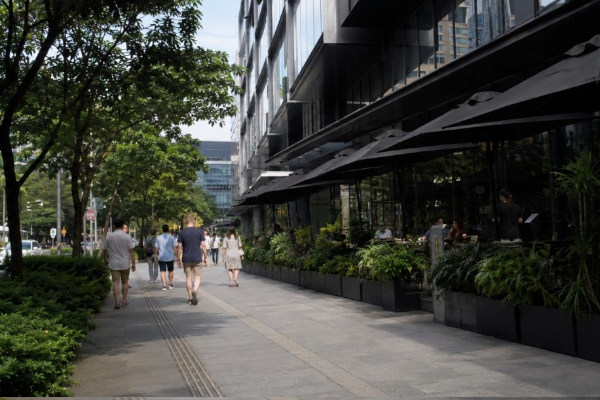
A noticeable feature of many 2026 launches is the stronger emphasis placed on integrated living environments rather than standalone residential towers. Developments are increasingly designed around the idea that residents want access to daily necessities, green space, wellness facilities as well as transport connectivity within a walkable neighbourhood setting that reduces friction in daily life.
Within Media Circle this planning approach can be seen in Hudson Place Residences which sits near One North, Mediapolis as well as Fusionopolis within a district shaped by research activity, digital industries as well as biomedical investment. The project combines residential space with integrated retail convenience while remaining close to the Rail Corridor, Wessex estate as well as established educational institutions including the National University of Singapore. This combination matters because many buyers now seek neighbourhoods where work opportunities, recreational space, family infrastructure as well as transport access exist within a single district instead of being scattered across multiple parts of the city.
Scarcity has become more important than scale
Another reason new launches continue to attract strong attention in 2026 lies in the limited supply of residential land within districts already supported by mature infrastructure. Buyers have become increasingly aware that land parcels near established transport corridors, employment clusters as well as lifestyle destinations are becoming more difficult to replace because urban planning policy now places greater emphasis on careful land allocation rather than rapid expansion.
Media Circle provides a useful illustration because residential projects remain relatively limited despite the continued expansion of One North as well as surrounding research districts. Land transactions in nearby plots have also reflected rising confidence in the area since developers have shown willingness to commit to higher land costs based on expectations of sustained housing demand within the precinct. This creates a different dynamic from earlier property cycles because value is now tied less to broad market enthusiasm as well as more to the long term scarcity of well positioned residential land within districts that already possess strong employment anchors as well as established infrastructure.
Buyers are choosing environments instead of buildings
Perhaps the most important shift shaping new launches in 2026 is the growing understanding that residential value extends beyond the unit itself. Buyers are paying closer attention to environmental quality, district character, educational access as well as the ability of a neighbourhood to remain relevant over time because these factors influence both daily experience as well as long term asset resilience.
Areas connected to mature greenery have gained stronger attention in recent years because urban residents increasingly value access to walking trails, lower density surroundings as well as outdoor recreation within reach of employment centres. Districts near the Rail Corridor have therefore become particularly attractive since they combine city accessibility with a more grounded residential atmosphere that feels less compressed than highly built up central locations.
The enduring appeal of new launches in 2026 comes from this broader evolution in buyer priorities because purchasers are no longer searching only for modern apartments but are instead seeking complete urban environments capable of supporting work, family life, wellness as well as future economic relevance within a rapidly changing city landscape.